Communication is one of the biggest challenges – if not the biggest – in biophilic design.
I've been told this multiple times now by practitioners, so let's explore why it's worth asking a specialist to help.
- Biophilic design is multi-sensory, far beyond where we go in other types of design. Yes you can express your ideas visually, but entire dimensions are lost unless you convey how all the senses are engaged. For that you need rich, descriptive writing.
- Biophilic design is physically, emotionally, mentally and spiritually human. And not just on the individual level, but on the level of relationship and community too. For that to come across we need human characters in human stories, written for deep human connection.
- Biophilic design is about all of life, not just ours. And what better way to show this in your design than by giving nature, the elements, and non-human life forms a voice? Think what fun you can have looking through these alternative lenses onto what you do!
- Biophilic design is scientific but it isn't science. You can't use text stuffed with facts & stats and hope you're holding your readers’ attention. These important proof points need inclusive, engaging language and a narrative around them to change people's hearts and minds.
- Biophilic design existed long before Western science gave it frameworks to measure our experience. Essentially, it's how we used to do things before we lost our way. These embodied and spiritual returns to our human being 'as nature' are best expressed through creative, original storytelling.
- Biophilic design is often motivated by deep personal convictions, by a renewed sense of purpose or spiritual awakening. For this to come across you need to know what happened to you, and why, and how to express it in words that draw other people in. You need to find your own voice.
- Biophilic design often tells stories of place around the world, using minority and indigenous voices. These voices have their own languages and frames of reference culturally, sometimes sensitive things that need to be written about with care and consideration.
- Biophilic design is campaigning, it's crusading. It's vital for our future and that of our planet. Yet we're leading a movement that occupies a ‘space in-between'. We need our messages to move other people to act. We need to rise above the chatter, we need to say it differently.
I'm looking for explorers who'd like to come with me to find their voice and tell their story through my range of fun, unusual one-to-one coaching sessions and workshops covering all the aspects touched on here.
So if I've sparked something in you, contact me to arrange a virtual coffee and step through the door.
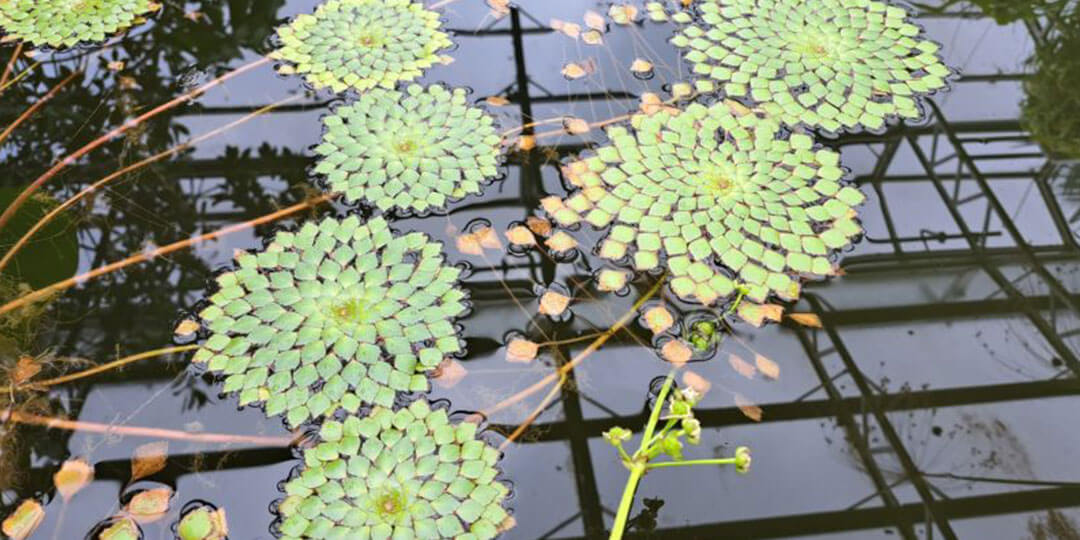
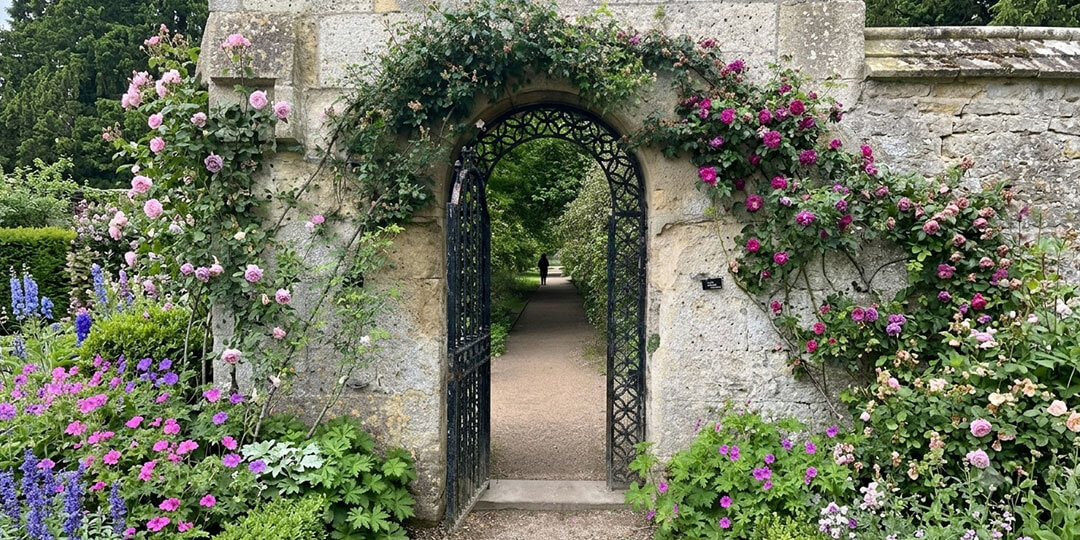
Image: our natural mindfulness classroom at Oxford Botanic Garden